
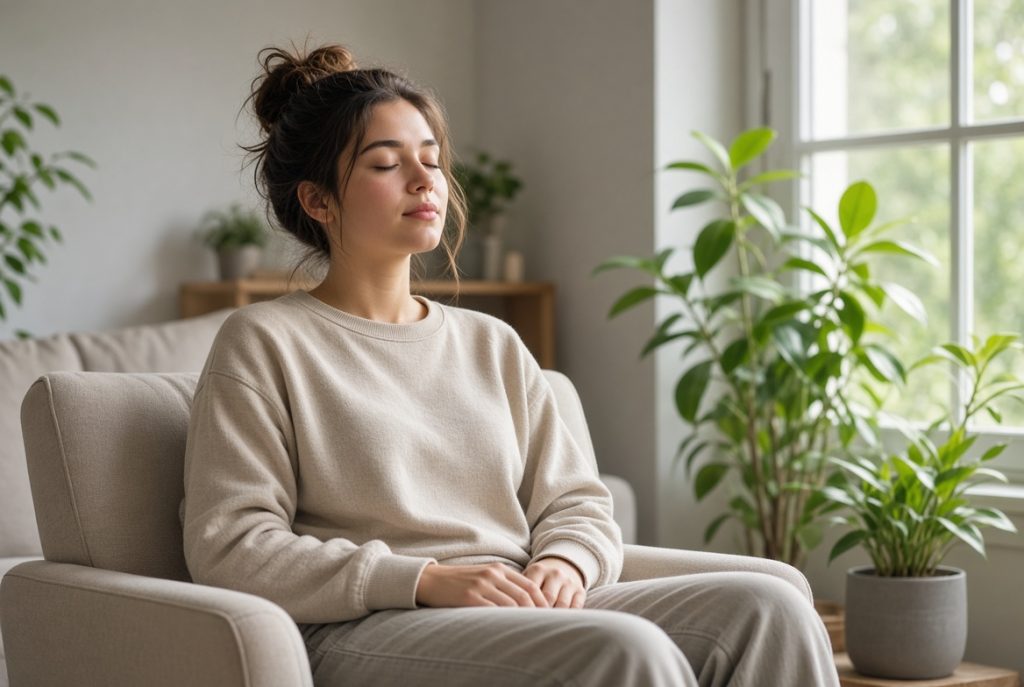
Most people know that deep breathing can help with stress, yet few actually use it when tension starts to build. A short breathing break is one of the fastest ways to shift your nervous system out of high-alert mode without leaving your desk, stepping away from a meeting, or needing special equipment. When done consistently, these brief pauses can lower the feeling of overwhelm, clear mental fog, and make it easier to stay present with whatever task is in front of you.
The reason breathing breaks work so well is simple: your breath is directly connected to your autonomic nervous system. When you are stressed, breathing tends to become shallow and faster. This signals the body to stay on guard. Slowing and lengthening the breath sends the opposite message. Within a minute or two, many people notice their shoulders drop, their thoughts slow down, and their ability to concentrate improves. The practice does not require perfect conditions or long sessions. It only requires a few intentional minutes at moments when stress is rising.
Why Short Breathing Breaks Work for Everyday Stress
Stress is not only an emotional experience. It also shows up in the body as increased heart rate, tighter muscles, and a mind that jumps between worries. Controlled breathing influences these physical responses. By extending the exhale, you activate the part of the nervous system responsible for rest and recovery. This is sometimes called the “rest and digest” response, the counterpart to the fight-or-flight reaction.
Research in this area generally supports the idea that slow, deliberate breathing can reduce perceived stress and improve attention in the short term. You do not need laboratory-level precision to benefit. Even basic patterns practiced for one to three minutes can create a noticeable shift. The key is regularity rather than duration. A single long session once a week is less helpful than several brief breaks spread across the day.
Breathing breaks also give the mind a simple anchor. When thoughts are racing, focusing on the physical sensation of air moving in and out reduces the mental noise. This is why many people find that a breathing break works better than simply telling themselves to “relax” or “calm down.”
The Difference Between Casual Breathing and Intentional Breaks
Everyone breathes all day, yet automatic breathing under stress is usually inefficient. Intentional breathing breaks involve a deliberate pace and a clear start and end. They are short enough to fit between tasks and structured enough to interrupt the stress cycle. The goal is not to eliminate all stress—that is neither realistic nor necessary—but to prevent it from accumulating unchecked.
Practical Breathing Techniques You Can Use Anytime
You do not need to learn complicated methods. The following three approaches are straightforward, require no props, and can be done seated or standing. Choose the one that feels most natural and use it consistently for a week before trying another.
Box Breathing (Equal Counts)
Also called square breathing, this technique uses the same count for each phase. It is especially useful when you need to steady both body and mind before a meeting or after a tense conversation.
- Inhale quietly through the nose for a count of four.
- Hold the breath gently for a count of four.
- Exhale slowly through the mouth or nose for a count of four.
- Hold empty for a count of four.
- Repeat for four to six cycles.
If a count of four feels too long, reduce it to three. The equal rhythm is more important than the specific number.
Extended Exhale Breathing
This pattern emphasizes a longer out-breath, which many people find particularly calming. It is useful when anxiety is high or when you notice you are holding your breath without realizing it.
- Inhale through the nose for a count of four.
- Exhale slowly for a count of six or eight.
- Pause briefly, then begin the next inhale.
- Continue for one to three minutes.
Keep the inhale comfortable. Forcing a very long exhale can create tension, so lengthen it only to the point that still feels smooth.
Physiological Sigh
This is a natural breathing pattern the body sometimes uses on its own when stress builds. You can deliberately use it for a quick reset.
- Take a normal inhale through the nose.
- At the top of the inhale, take a second, shorter sip of air to fully expand the lungs.
- Exhale slowly and completely through the mouth.
- Repeat two or three times.
Many people notice an immediate drop in physical tension after just one or two cycles. It is especially practical when you have only thirty seconds.
How to Build Breathing Breaks Into a Real Schedule
Knowing the techniques is only half the work. The other half is remembering to use them. The most reliable approach is to attach the practice to existing moments rather than waiting until you feel overwhelmed.
Common anchor points include:
- Right after you sit down at your desk in the morning
- Between finishing one task and starting the next
- While waiting for a meeting to begin
- After checking email or messages
- During a short walk to the kitchen or restroom
- Before bed as part of winding down
Start with two or three intentional breaks per day. Set a gentle reminder on your phone for the first few days if needed. Once the habit feels familiar, you can drop the reminders and simply notice the moments when your shoulders rise or your thoughts speed up.
Some people keep a small note near their workspace that simply says “breathe” or use a physical cue such as placing a glass of water in a specific spot. The cue does not have to be elaborate. It only needs to interrupt autopilot long enough for you to take one or two deliberate breaths.
Common Mistakes That Reduce the Benefit
Even a simple practice can be less effective if certain habits interfere:
- Waiting until stress is extreme before starting. Breathing breaks work better as prevention than as emergency rescue.
- Breathing only into the chest. Allowing the belly to expand on the inhale creates a fuller breath and a stronger calming effect.
- Holding the breath too tightly during pauses. Holds should feel comfortable, not strained.
- Practicing only when alone. Most techniques can be done discreetly in public or in a shared space.
- Expecting the mind to go completely blank. Thoughts will continue. The goal is to notice them without following every one.
- Forcing a slow pace that feels unnatural. Adjust the counts so the breath stays smooth.
Correcting these small points usually improves results quickly.
Combining Breathing Breaks With Other Supportive Habits
Breathing breaks are most powerful when they sit alongside other basic practices that support mental steadiness. Regular movement, consistent sleep timing, and short outdoor light exposure all influence how reactive the nervous system feels during the day. None of these need to be perfect. Even modest improvements in one area make the breathing practice more effective.
Some people also pair a breathing break with a brief posture reset—rolling the shoulders, uncrossing the legs, or standing up for thirty seconds. The combination of physical and respiratory change often produces a clearer shift than breathing alone.
If you notice that stress remains high despite regular breathing breaks, it can be useful to look at larger patterns: caffeine intake later in the day, unresolved tasks that stay open in the mind, or insufficient recovery time. Breathing is a strong tool, yet it works best as part of a broader approach to managing daily load.
Conclusion
Breathing breaks for stress are a practical, low-effort way to interrupt the buildup of tension and restore clearer focus. By using simple patterns such as equal-count breathing, an extended exhale, or a physiological sigh for just one to three minutes, you can influence your nervous system in real time. The practice requires no special setting and can be repeated throughout the day. Start with a few intentional pauses attached to moments you already have, keep the technique comfortable, and notice how your energy and attention shift over the course of a week. Small, consistent interruptions of stress are often more effective than occasional long attempts to relax.
FAQ
How long should a breathing break last to be useful?
One to three minutes is usually enough to create a noticeable change. Even two or three cycles of a simple pattern can help when time is limited.
Can I do breathing breaks while working or in meetings?
Yes. Most techniques can be done quietly and without drawing attention. Many people practice them while listening or during short pauses.
What if I feel lightheaded while practicing?
Slow down the pace and make sure you are not forcing the breath. Return to a natural rhythm for a few breaths, then resume more gently. If lightheadedness continues, stop and consult a healthcare professional.
Do I need to close my eyes?
No. Eyes open or softly focused work equally well, especially in shared spaces. Closing the eyes can deepen the effect for some people but is not required.
How often should I practice for the best results?
Two to four short breaks spread across the day tend to be more helpful than one longer session. Consistency matters more than perfect timing.